
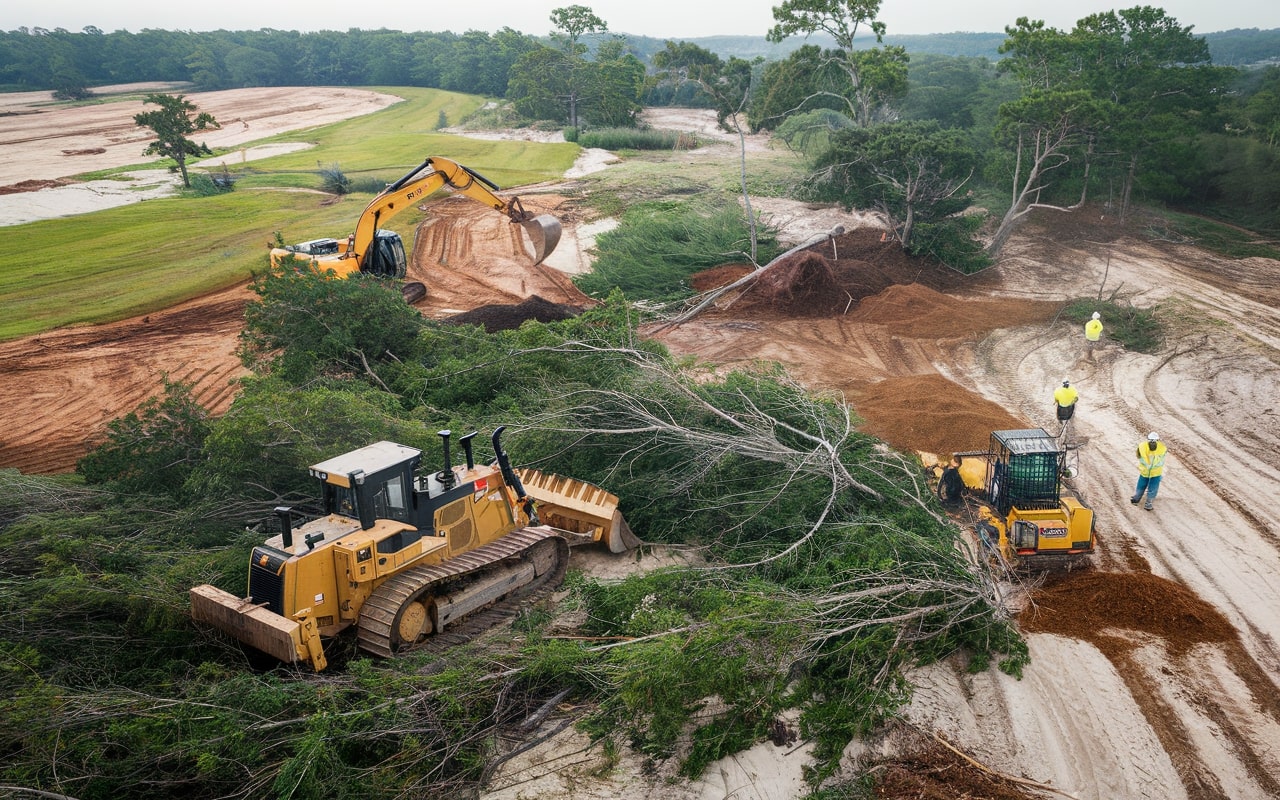
Land management plays an essential role in shaping the future of property ownership, agriculture, and construction. In a state as vast and diverse as Texas, landowners often encounter challenges when preparing their property for new uses. Texas land clearing has become a vital service for farmers, ranchers, developers, and homeowners who want to maximize the potential of their acreage. Whether the goal is agricultural productivity, real estate development, or environmental management, clearing land provides the foundation for progress.
The Role of Land Clearing in Property Development
One of the most common reasons for investing in Texas land clearing is the preparation of property for construction or agricultural use. Raw land often contains thick vegetation, brush, trees, and stumps that can make development difficult. By removing these obstacles, property owners gain a clean slate, which allows them to move forward with building homes, commercial spaces, or farming operations.
In Texas, where rural and suburban expansion is on the rise, cleared land is in high demand. Developers see value in preparing acreage for residential communities, while farmers recognize the benefits of improving soil quality and accessibility through controlled clearing. It is not simply about removing vegetation—it is about reshaping the land to meet specific goals. Proper clearing can also enhance property value, as well-maintained land is more attractive to buyers and investors.
Another crucial aspect is compliance with local regulations. Certain counties and municipalities in Texas require properties to meet specific codes before development begins. Texas land clearing services ensure that landowners can meet these standards while also preserving important features of the property. The right balance between preparation and preservation is critical, as cleared land should remain sustainable for long-term use.
Methods and Techniques Used in Land Clearing
Land clearing is not a one-size-fits-all process. The approach depends on the type of property, soil conditions, vegetation density, and the goals of the landowner. In Texas, professionals use a combination of traditional and modern methods to achieve the best results.
One common method is mechanical clearing, which involves the use of heavy equipment such as bulldozers, excavators, and forestry mulchers. This technique is effective for removing dense brush and large trees quickly. Mulching, in particular, has gained popularity because it reduces vegetation into small particles that can enrich the soil rather than requiring disposal.
Controlled burning is another method occasionally used in rural areas, particularly in agricultural settings. While it requires careful management and compliance with fire regulations, it can be an efficient way to clear brush and rejuvenate the land. However, due to safety concerns, this method is less common in populated areas.
Chemical treatments are sometimes applied to prevent regrowth of invasive plants. These solutions are used sparingly and with environmental considerations in mind. The goal is to eliminate problematic vegetation without harming the soil or surrounding ecosystems.
The diversity of terrain across Texas—from flat plains to wooded areas and rocky hills—means that no single method is always the best option. Experienced land clearing professionals evaluate each property before deciding on the most efficient and sustainable approach. This customization ensures that the land is prepared according to its unique characteristics while minimizing damage to the environment.
Benefits of Professional Land Clearing Services
Clearing land without proper expertise can be time-consuming, expensive, and even dangerous. That is why many property owners turn to professional Texas land clearing services. The advantages extend far beyond the removal of unwanted vegetation.
One of the most significant benefits is safety. Land filled with dense brush, fallen trees, and uneven terrain poses risks to both people and machinery. Professional clearing creates safer spaces for farming, construction, or recreational use. Additionally, removing potential fire hazards such as dry brush can reduce the likelihood of wildfires, which are a concern in certain regions of Texas.
Another benefit is improved land quality. Clearing not only opens up space but also provides better access to soil, sunlight, and water, which are crucial for agricultural productivity. Farmers often find that cleared land is easier to manage and more fertile for planting crops or maintaining pastureland.
Property aesthetics also play a role. Clean, well-managed land increases curb appeal and overall property value. Buyers are more inclined to invest in land that is accessible and ready for development, rather than overgrown acreage that requires additional work. This is especially true in areas of Texas where real estate demand continues to rise.
Environmental Considerations in Texas Land Clearing
While land clearing is essential for development, it must be carried out responsibly to protect ecosystems. Texas is home to diverse wildlife, vegetation, and soil types, all of which can be affected by improper practices. That is why reputable providers of Texas land clearing services take environmental considerations seriously.
Erosion control is one of the main concerns. Removing vegetation without proper planning can lead to soil degradation, making the land less productive over time. Professionals often implement strategies such as mulching or replanting to ensure soil stability.
Preserving native trees and habitats is another priority. Rather than removing all vegetation, selective clearing allows for a balance between usable land and natural ecosystems. This approach helps maintain biodiversity and prevents unnecessary disruption to local wildlife.
Water management is equally important. Clearing land can affect drainage patterns, which may lead to flooding or water shortages if not managed correctly. By designing clearing projects with proper drainage in mind, professionals protect both the property and surrounding areas.
The Future of Land Clearing in Texas
As Texas continues to grow, the demand for land preparation will only increase. Expanding cities, agricultural advancements, and infrastructure projects all depend on effective land management. However, the future of Texas land clearing is likely to be shaped by innovation and sustainability.
Technological advancements in equipment will allow for more efficient clearing with less environmental impact. For example, precision mulching equipment can reduce waste and improve soil health simultaneously. At the same time, regulations are expected to become stricter in order to balance development with conservation. Landowners will need to work with experienced providers who understand these evolving requirements.
Another trend is the integration of land clearing with broader land management strategies. Instead of viewing clearing as a one-time project, many property owners are adopting ongoing maintenance plans. This approach ensures that cleared land remains productive and safe for years to come, while also minimizing regrowth and long-term costs.
Texas land clearing will remain an essential service for landowners who want to unlock the full potential of their property. With the right methods, professional guidance, and sustainable practices, cleared land becomes the foundation for growth, whether for farming, construction, or investment opportunities.